We lay ten decorative concrete finishes: plain and coloured overlays, exposed aggregate, Covercrete spray-on, stencilled and stamped work, timber look, polished concrete, epoxy and vinyl flake. Build-ups run from 2 mm stencil work to 10 mm aggregate, slip ratings from R10 to R12, and vehicle cure times from 72 hours to seven days. Each finish page states its own figures.
Choose by how it wears, not how it photographs
Slip rating first on anything wet or sloping, cure time second if the driveway is your only access, appearance third.
Plain concrete
One colour, no cuts, no pattern. The finish that disappears and lets the house do the talking.
3–4 mm build-upColoured concrete
Full-strength oxide colour, with or without a cut pattern. Reads terracotta against brick and charcoal against render.
3–4 mm build-upExposed aggregate
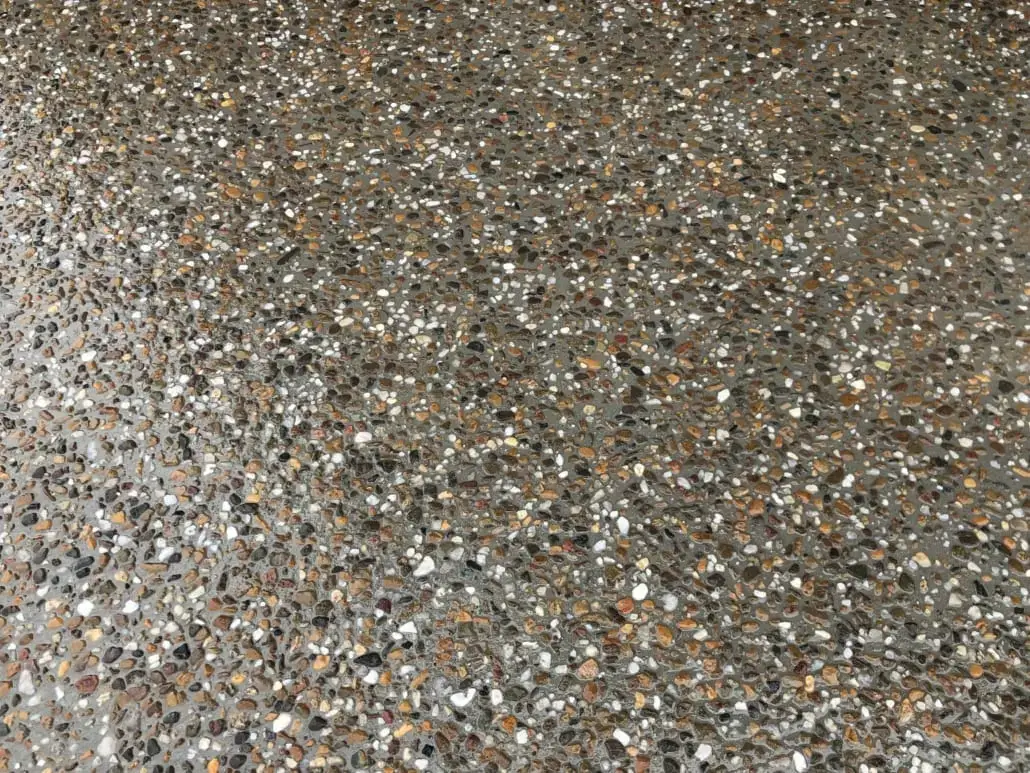
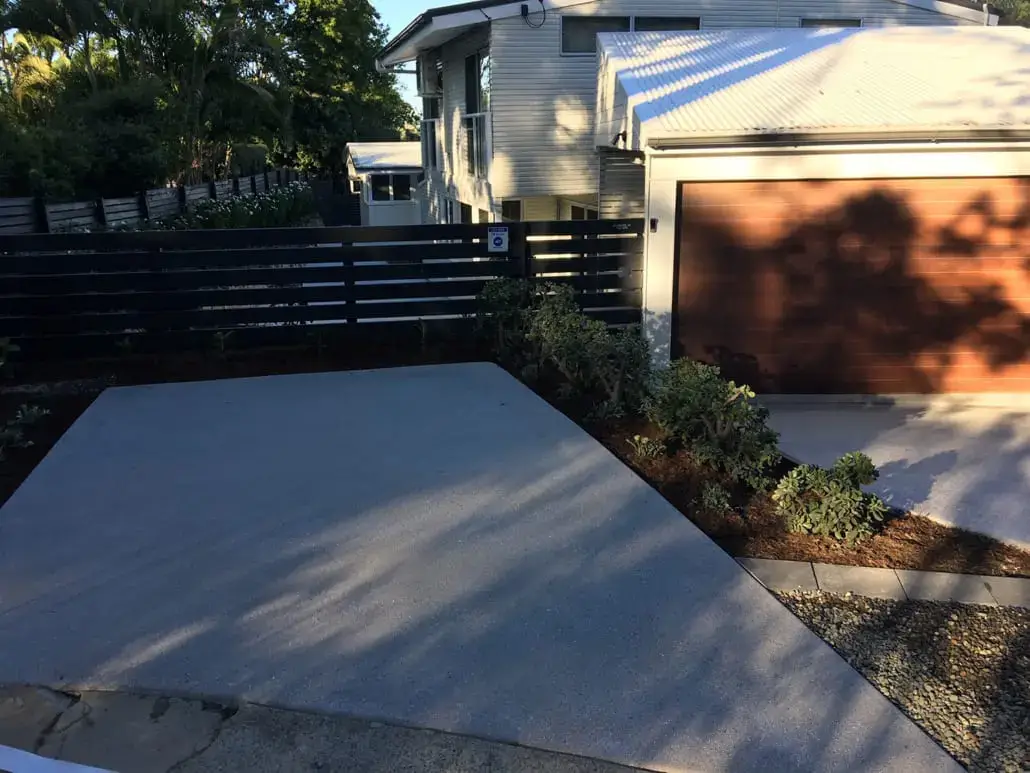
Washed back to reveal the stone. The South East Queensland driveway default, and the most forgiving surface underfoot.
10 mm build-upPolished concrete
Mechanically ground through finer diamond grits to a honed or gloss sheen — the slab itself as the finished floor.
None — the slab is the finish build-upCovercrete / Covacrete
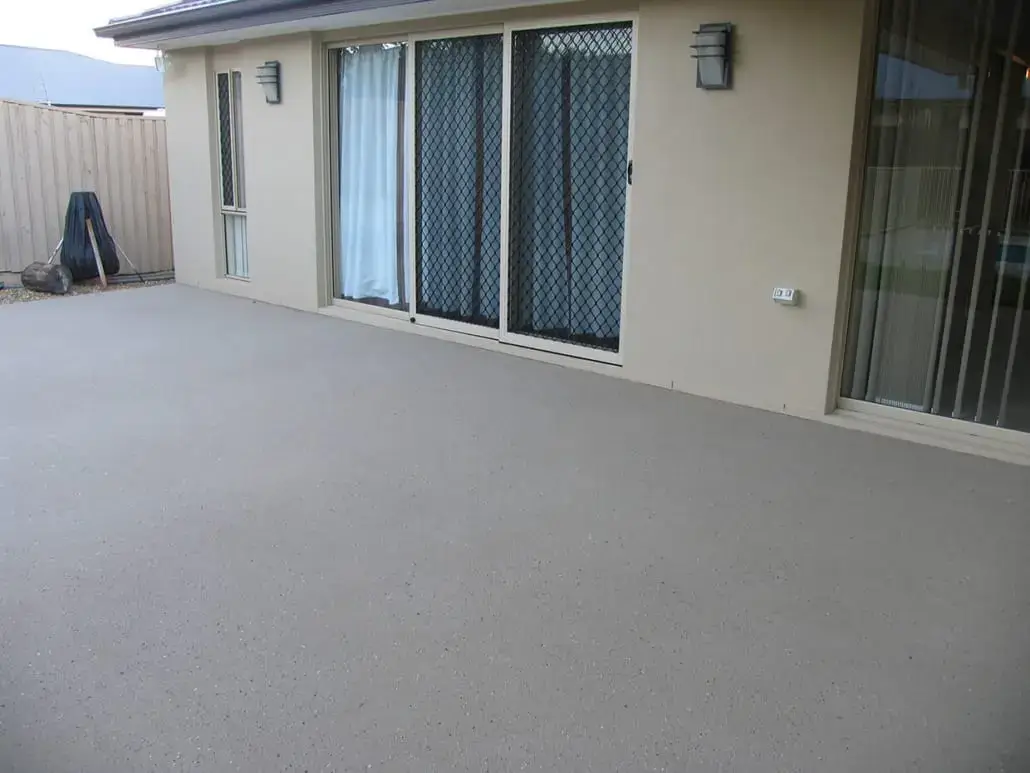
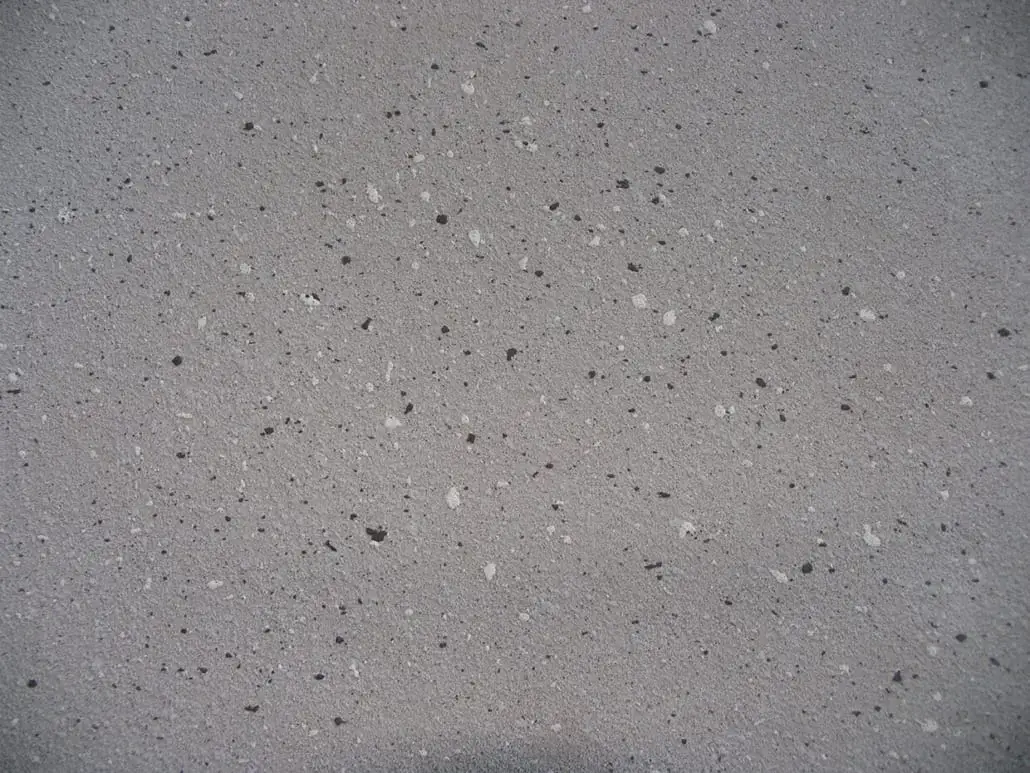
The classic spray-on resurfacing system: a fine speckled texture, sprayed to a consistent build and sealed.
3–4 mm build-upStencilled concrete
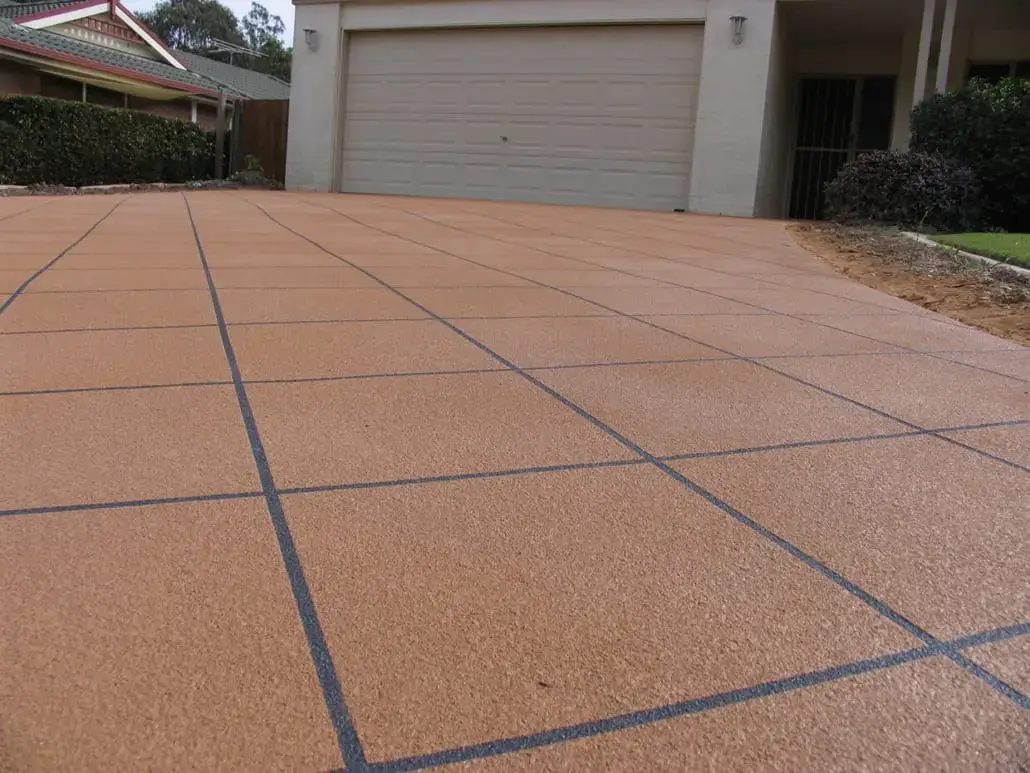
A paper stencil laid into the colour coat, sprayed over and lifted — leaving pattern joints in a second colour.
2–3 mm build-upStamped concrete
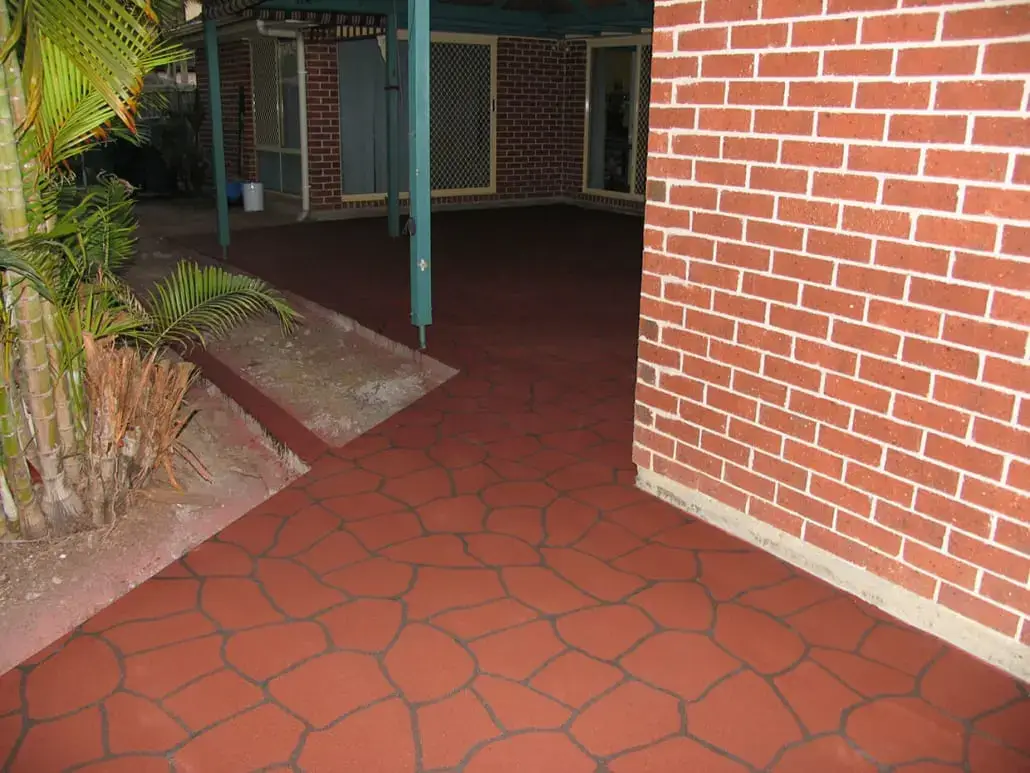
Texture pressed into the overlay while it is green: slate, flagstone, cobble or timber, with real relief you can feel.
6–10 mm build-upEpoxy flooring
A seamless resin floor for garages, workshops and plant rooms — no grout lines, nothing to absorb oil.
0.5–2 mm depending on system build-upFlake flooring
Vinyl flake broadcast into a resin basecoat and sealed under clear topcoats — the durable garage floor that hides everything.
1–1.5 mm build-upTimber look concrete
Plank texture stamped and hand-coloured board by board — the look of decking with none of the maintenance.
6–10 mm build-upEvery finish, side by side
Figures for standard residential jobs in South East Queensland conditions. Your quote states the build-up for your slab.
| Finish | Build-up | Foot traffic | Vehicles | Slip rating |
|---|---|---|---|---|
| Plain concrete | 3–4 mm | 24 hours | 72 hours | R11 |
| Coloured concrete | 3–4 mm | 24 hours | 72 hours | R11 |
| Exposed aggregate | 10 mm | 72 hours | 7 days | R12 |
| Polished concrete | None — the slab is the finish | 24 hours after sealing | 48–72 hours | R10 interior, R11 with grip additive |
| Covercrete / Covacrete | 3–4 mm | 24 hours | 72 hours | R11 |
| Stencilled concrete | 2–3 mm | 24 hours | 72 hours | R10 |
| Stamped concrete | 6–10 mm | 48 hours | 7 days | R11–R12 |
| Epoxy flooring | 0.5–2 mm depending on system | 24 hours | 72 hours | R10, R11 with grip additive |
| Flake flooring | 1–1.5 mm | 24 hours | 72 hours | R11 |
| Timber look concrete | 6–10 mm | 48 hours | Not recommended | R11 |
Laid, sealed and photographed on site
The questions we get asked
Which finish is best for a driveway?
Exposed aggregate for grip and longevity at about R12, stencil for a paved look over an existing slab, plain or coloured where the architecture wants quiet.
Which finish is best around a pool?
Anything R11 or better with a comfortable texture — washed aggregate in a fine blend, or stamped work with rounded relief.
Which finish lasts longest?
The one that was prepared properly. Between finishes, exposed aggregate and polished concrete wear longest because the wearing surface is stone.
Which finish is cheapest?
A single-colour sprayed overlay. Stencil work adds a second colour and layout time; aggregate and stamped work add material and labour.
Send a photo of the slab.
We will tell you whether it can be resurfaced, what finish suits it, and what it costs — before anyone turns up with a grinder.